What Height Scope Rings Do I Need?
When shooting or hunting, the scope ring height determines your shooting accuracy and comfort. You might be wondering “what height scope rings do I need” The choice of proper scope ring height ensures that your scope is aligned with your eye level and prevents unnatural and restricted shooting positions. So, what height scope rings do you need? This article answers that in full detail. Let’s start!
Part 1. What Are Scope Rings?
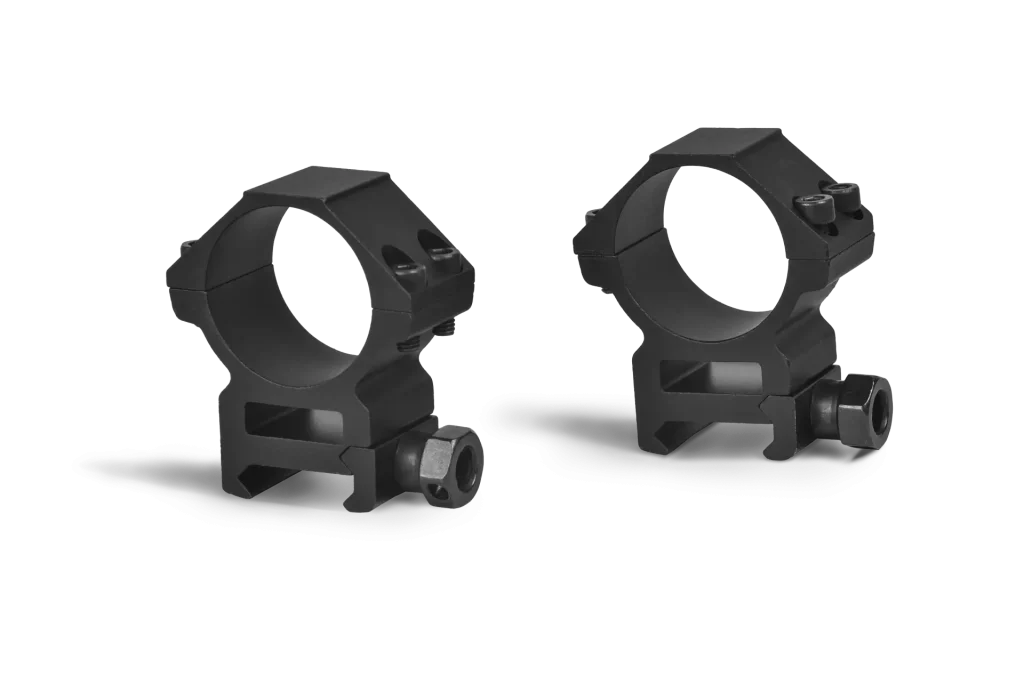
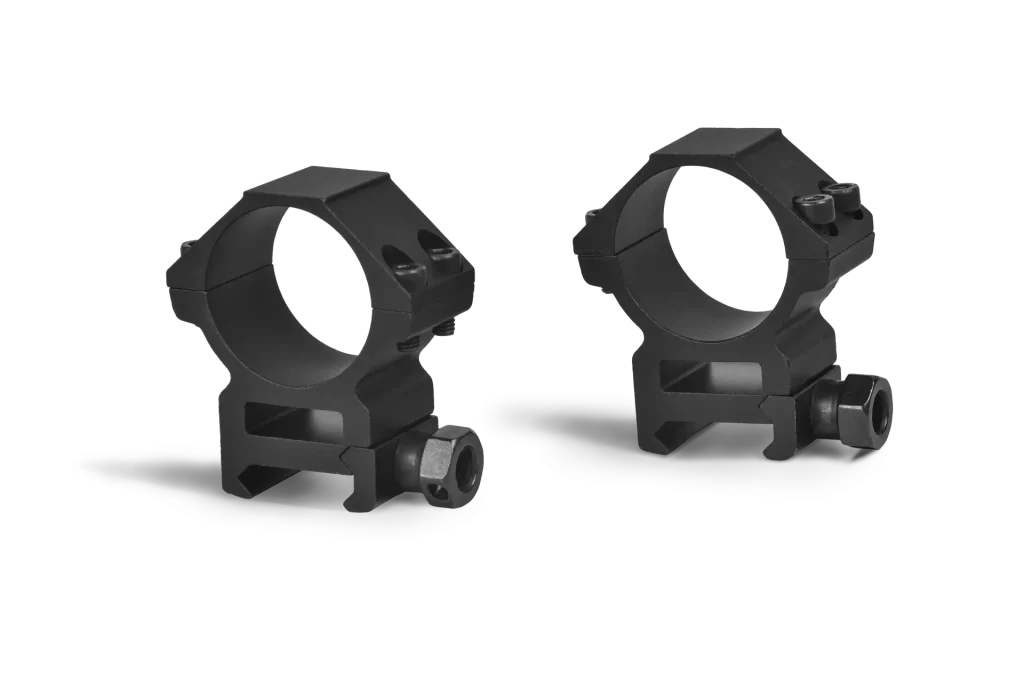
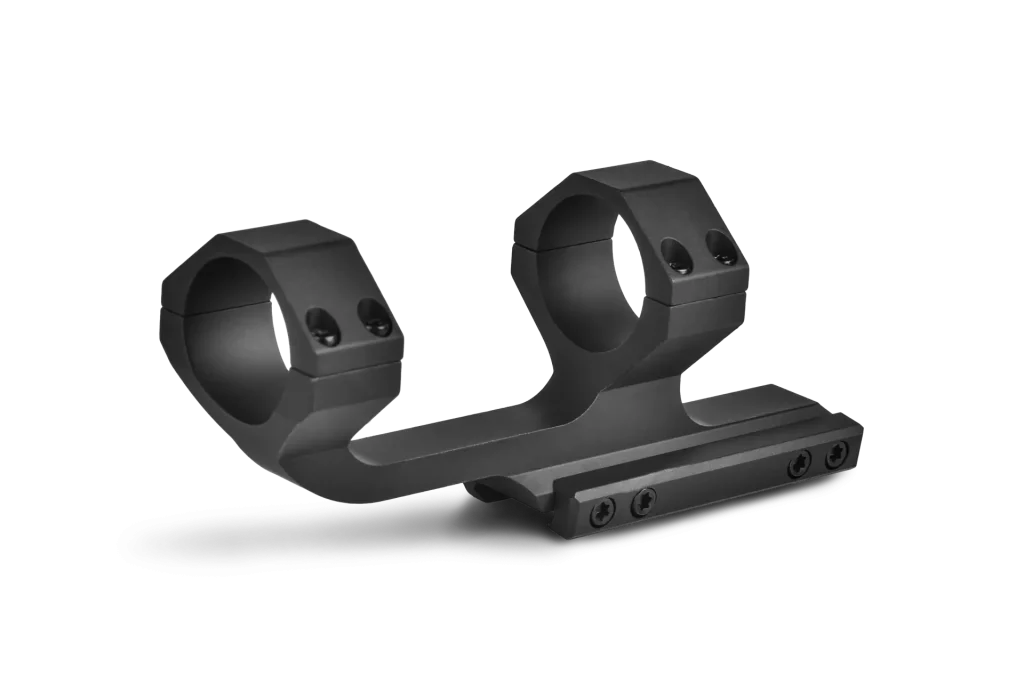
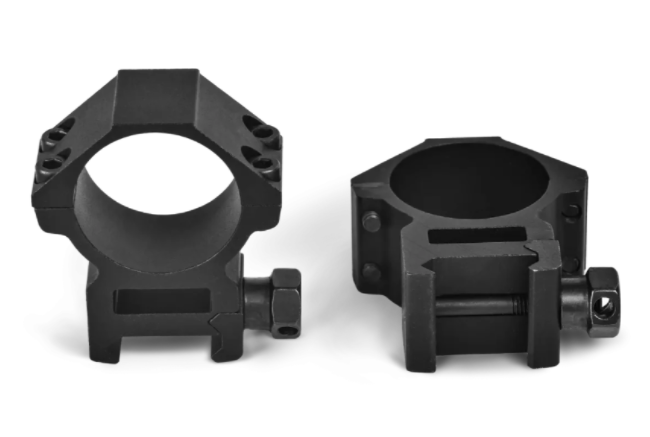
Scope rings are essential accessories used to mount a rifle scope in a safe manner. They are typically made of aluminum or steel and secure the scope onto the rifle stock and gauge the scope elevation in relation to the barrel. Different heights and diameters are designed to suit scopes of dissimilar tube sizes and rifle types.
Choosing the right scope rings gives the shooter a comfortable spot to place the scope when firing in different shooting positions and prevents the scope from hitting the body or handguard of the rifle.
Part 2. How to Determine the Scope Ring Height You Need
Choosing the right scope ring height is necessary for comfort and accuracy. Adequate eye alignment, natural shooting stance, and scope to rifle clearance are all ensured when the right height is selected. To find the right height, the following main considerations should be made:
Consider the Objective Lens Diameter
The objective lens size of the scope plays a big role in the amount of height rings required. The bigger the objective lenses are, the sooner they ride closer towards the barrel when installed, which can potentially cause the scope to rub against the barrel or handguard if the rings are insufficiently high.
High-magnification scopes or big-caliber scopes often require higher rings or riser pads in order to maintain adequate clearance. There being enough space prevents scope damage and allowing for full reticle adjustment.
Take into Account Stock Type and Mounting Space
Differing stock configurations are present in various rifles, with direct impact on the mounting potential of the scope. Tactical rifles with low profile or light hunting rifles usually necessitate low rings to enable comfortable shooting position and good cheek weld.
Standard hunting rifles or those with higher comb heights could employ medium or high rings without compromising on comfort or accuracy. Stock geometry is essential to choose a ring height that suits your rifle.

Consider Shooting Positions and Comfort
Your typical shooting positions, which are prone, kneeling, or standing, affect the ideal scope height. A low or high-mounted scope may require an unnatural head position, slow sight acquisition, and negatively impact accuracy.
Having the right scope ring height allows for natural cheek weld and the same sight picture in every position. Long-range shooting and dynamic environments require comfort and target acquisition speed.
Considering these factors in mind, objective lens size, rifle stock configuration, and firing stance, you can select the perfect scope ring height that gives maximum comfort and performance with protection for your equipment.
Part 3. Common Scope Ring Height Categories
Scope rings are usually categorized into three general categories: Low, Medium, and High. Each is designed to accommodate different rifle profiles, scope diameters, and shooting techniques. Familiarity with the categories can help you select the proper height for optimal performance and comfort.
Low Ring:
Low rings are suitable for low-profile rifles or low-profile scopes having small objective lenses. They are mounted ahead of the scope, making it closer to the stock of the rifle. This is provided with a natural cheek weld and faster target acquisition.
Thus, low rings are ideal for tactical rifles or light hunting rifles when a comfortable shooting posture is required. Low rings may not provide adequate clearance space for large scopes, hence are usually reserved for compact optics.
Medium Ring:
Medium rings are the most versatile height and work with most rifles and scope diameters. They provide an optimal height that works for most shooting positions, standing, kneeling, or prone, without sacrificing comfort or accuracy.
Medium rings are do-it-all, so they’re a dependable choice for shooters who use several rifles or switch back and forth often between optics.
High Ring:
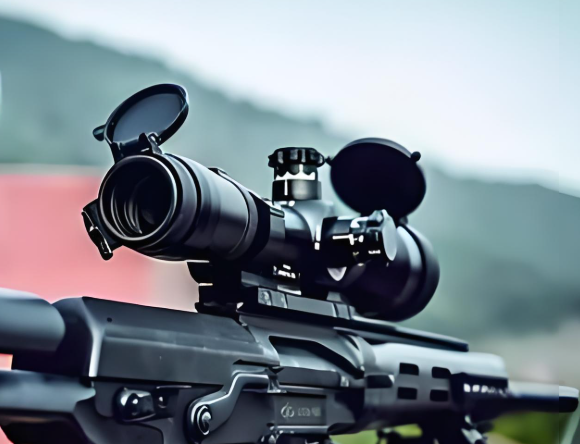
High rings are utilized on rifles having long-barrel calibers or big scopes, where extra clearance is needed to prevent the scope from rubbing against the barrel, handguard, or other rifle structures.
High rings are particularly useful for high-magnification or high-range scopes, where the objective lens is large. They allow for best positioning and comfortable shooting position in spite of the extra elevation.
Using a Scope Ring Height Chart:
When selecting proper height, it is easy to use a scope ring height chart. These charts match specific rifles and scopes models to recommended ring heights for optimal fit, adequate clearance, and optimal eye alignment. When using a chart, installers do not have to concern themselves with installation and can obtain the most preferred balance of comfort and accuracy.
This detailed understanding of ring types allows the shooter to choose the best height for their setup, maximizing shooting performance and satisfaction.
Part 4. Precautions and Scope Ring Use Tips
With the right rings, poor adjustment or mounting damages accuracy and spoils your scope. Standard measurement, mounting, and height adjustment practices guarantee peak performance and longevity.
Measure Eye Height and Sight Line
Before scope mounting, measure from your eye to the stock of the rifle. That way, when you lift the rifle up to your shoulder, your line of sight will be level with the scope centerline. Alignment helps to maintain a natural shooting position and reduces the degree of awkward head motion, which can affect comfort and accuracy.
Avoid Damage and Mounting Errors
While tightening scope rings, do not overdo it. Excessive force will crush or bend the scope tube and damage the internal optics and performance. Adhere to the factory-recommended torque specifications, and use proper tools to tighten the rings evenly.
Ring Height Adjustment and Its Impact on Accuracy
The height of the scope ring directly impacts your bullet trajectory and line of aim. Low or high rings will introduce a strange cheek weld or shift the sight picture, which results in inconsistent firing and reduced accuracy. The correct height is crucial to the accuracy of aiming, especially with long-range shooting.
Additional Tips
- Double-check to ensure that the scope is aligned before torquing last.
- Supply adequate clearance between the scope, barrel, handguard, or bolt handle.
- Consider your normal shooting positions (prone, kneeling, standing) while selecting height to ensure optimal comfort and target acquisition.
- Careful measurement, accurate installation, and proper selection of height all in combination ensure the durability of your scope and precision of your shots.

Bottom Line
Choosing the appropriate ring height is crucial in terms of accuracy and comfort. Observe your scope’s objective lens, rifle stock, and shooting position, then refer to the Low, Medium, and High ring values.
Shotelex scope rings are easy to install and ensure solid, accurate alignment for improved shooting performance and protection of your scope.
Remember, what height scope rings do I need should be based on your rifle and shooting habits, not necessarily experience.
FAQs about Scope Ring Height
1. What height scope rings for a 44mm objective?
When using a 44mm objective lens, you usually need high or extra-high scope rings so the scope has free passage over the barrel or rifle rail.
2. What height rings do I need for a 40mm scope?
A 40mm scope will usually require medium to high rings, depending on your rifle’s stock configuration and shooting position.
3. Does scope ring height affect accuracy?
Yes, inappropriate scope ring height will create an unnatural shooting position or misalign the eye with the optic, devaluing accuracy.
4. Can I mix scope rings of different heights?
It should not be mixed to use scope rings of varying heights, since this may make the scope tilt and adversely impact shooting accuracy.
5. What happens if my scope rings are too high or too low?
Too high or too low rings can compel an unnatural shooting position, compromising both comfort and accuracy. They can also make the scope knock against the barrel or handguard.
6. Do different rifles need different heights?
Yes, different types and sizes of rifles need different scopes ring heights. Mounting is different with hunting rifles, tactical rifles, and air rifles.